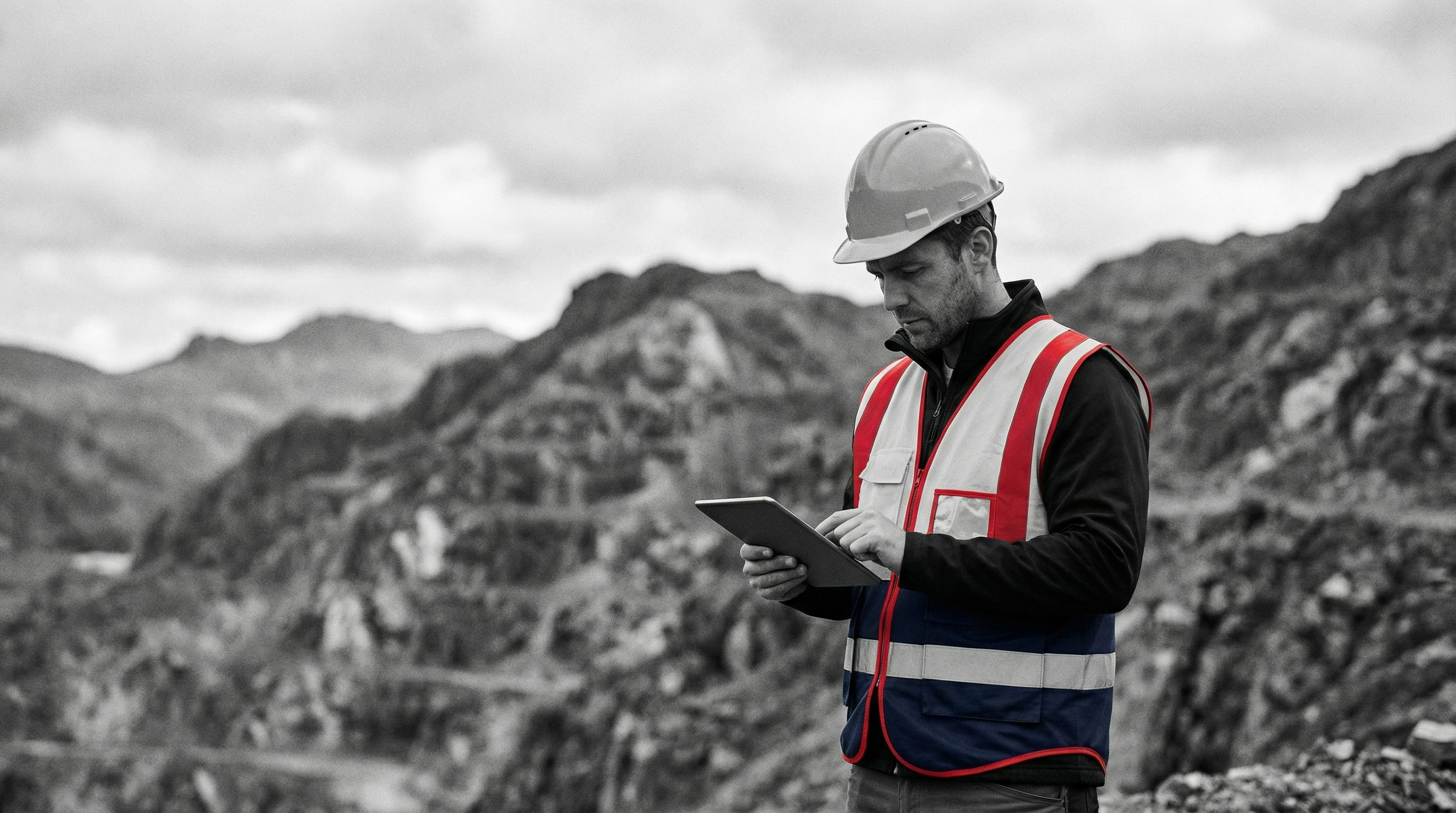
Lone Worker Safety in Remote Operations: Technology and Best Practices
Lone Worker Safety in Remote Operations: Technology and Best Practices
In an increasingly connected world, a significant portion of the workforce operates in isolation. From utility workers in remote rural areas to geologists surveying rugged terrain, these lone workers are the backbone of many critical industries. However, their isolation presents a unique set of safety challenges. Without immediate support, a minor incident can quickly escalate into a life-threatening emergency. For organizations that deploy personnel in these environments, ensuring their safety is not just a matter of compliance, but a fundamental operational and ethical imperative. Fortunately, a combination of modern technology and established best practices provides a robust framework for protecting these vital team members.
The Escalating Risks of Working Alone
The inherent risks for lone workers are amplified by their isolation. A slip and fall, a sudden medical event, or an equipment malfunction can become catastrophic without a rapid response. The absence of immediate assistance is the primary factor that distinguishes a manageable incident from a severe one [1]. Furthermore, environmental hazards, such as extreme weather or encounters with wildlife, pose a greater threat when an individual is alone. These challenges require a proactive and systematic approach to safety, one that moves beyond passive policies and embraces active monitoring and support.
Technological Solutions for Lone Worker Protection
Technology has become the cornerstone of modern lone worker safety programs. Advanced systems now offer a suite of tools designed to provide a virtual lifeline to employees in the field. These solutions are not about surveillance; they are about connection and rapid response when it matters most.
One of the most critical technologies is GPS and satellite-based location tracking. For workers in areas with unreliable cellular service, these systems provide precise, real-time location data, ensuring that help can be dispatched to the correct location without delay. This is particularly crucial in large, undeveloped areas where finding an individual can be a significant challenge.
Automated check-in systems have replaced outdated and error-prone manual processes. Workers can confirm their status at regular intervals via a smartphone app or a dedicated device. If a check-in is missed, the system automatically triggers an alert, initiating a pre-defined emergency protocol. This removes the potential for human error in monitoring and ensures that no worker is overlooked.
In the event of an immediate threat, panic buttons offer a direct line to assistance. These can be physical buttons on a wearable device or a feature within a mobile application. A single press can discreetly signal for help, providing an essential tool for workers who may face security threats or sudden emergencies.
Perhaps the most innovative advancements are in the realm of motion sensing and automatic fall detection. Using the accelerometers and gyroscopes in smartphones or wearable devices, these systems can detect a sudden impact or a lack of movement, which may indicate an incapacitated worker. An alert is automatically triggered, ensuring that help is summoned even when the worker is unable to do so themselves [2].
Best Practices for a Robust Safety Program
While technology provides the tools, a successful lone worker safety program is built on a foundation of clear, well-defined procedures and a strong safety culture.
It begins with a thorough risk assessment for each role and environment. This process should identify all potential hazards, from the physical environment to the specific tasks being performed. The output of this assessment will inform the selection of appropriate technologies and the development of safety protocols.
Clear and unambiguous protocols are essential. Every worker must understand the check-in schedule, the procedure for activating a panic alarm, and what to expect during an emergency response. These protocols should be documented and easily accessible to all personnel.
Comprehensive training is non-negotiable. Employees must be proficient in using their safety devices and fully understand the emergency procedures. Regular drills and simulations help to reinforce this training and ensure that both workers and monitoring teams are prepared to act decisively in a real emergency [3].
Finally, the chosen technology must be integrated seamlessly into the daily workflow. If a safety system is cumbersome or difficult to use, it will not be adopted by the workforce. The most effective solutions are those that operate reliably in the background, providing protection without disrupting productivity.
Actionable Takeaways for Your Organization
Protecting your lone workers is a critical responsibility. By implementing a comprehensive safety program that combines cutting-edge technology with proven best practices, you can create a safer working environment and demonstrate your commitment to your team's well-being. The key is to be proactive, systematic, and to leverage the powerful tools now available to keep your remote workforce connected and protected.
At Trident Business Group, we understand the complexities of managing a distributed workforce. Our commitment to operational excellence extends to ensuring the safety and security of every team member. For more resources on building resilient and effective business systems, visit our resource center at https://tridentbusinessgroup.biz/resources.
References
[1] Hyten, C., Sevin, B., & Agnew, J. (2017). Lone worker safety. Professional Safety, 62(7), 30-37.
[2] National Safety Council. (2023). Using Lone Worker Monitoring Technology to Protect Workers. Retrieved from https://www.nsc.org/getmedia/c2ab538c-8464-48cd-bf90-e1601f466bd5/wtz-lone-down-worker-monitoring-wp.pdf
[3] Brennan, W. (2010). Safer lone working: assessing the risk to health professionals. British Journal of Nursing, 19(22), 1428-1432.